Description
Wood Chip
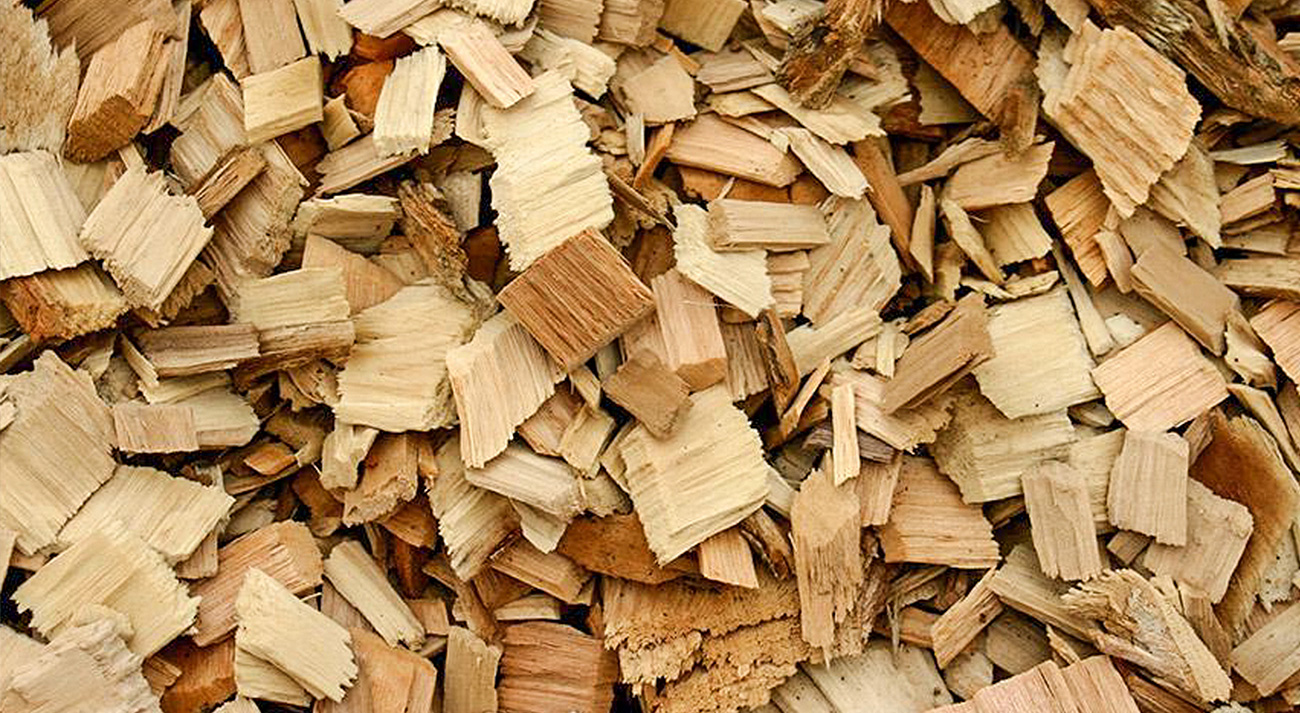
Wood chips are small pieces of wood that have been cut to between 5mm and 50mm (measured in the direction of the grain). This is preferred over larger twigs and dust-like particles.
– These can be included but if these twigs are too large they can ‘bridge’ and block the wood chip boiler feed system, too small and they can upset the combustion of the biomass boiler. The same can occur from high bark content, so some care is needed in the quality of the wood chip, which is dictated by the raw material, chipper type and sharpness of blade, handling, etc. In general this is taken care of by a wood chip provider who can prepare biomass fuel according to you requirements.
– In order to produce wood chip fuel, trees are coppiced and the offcuts are chipped and then dried until the chip moisture meets requirements.
– Wood pellets are made up of sawdust or fine shavings of wood extruded under pressure so that the wood resin binds the material into cylindrical shapes between 6mm and 10mm in diameter and 10mm to 30mm long.
– No artificial chemicals are added to wood pellets but starch or corn flour is sometimes used to improve stability: the result is a high density fuel with low moisture contents, which is less bulky to transport and store.
– Choosing between these fuel types is often a decision that is made during the planning of the system design and is essential to knowing the set up of your boiler and the fuel store type. The transport and storage required can often predict which fuel type is chosen.
BENEFITS OF DIFFERENT BIOMASS WOOD FUELS
Why Wood Chip?
▲ Cheaper per kWh
▲ More locally obtainable and can be from several sources (very often the reason for installing a wood chip boiler is availability of local, cheap fuel)
▲ Chip your own wood from managed woodland after preparation
▲ More likely to have a beneficial impact on local economy
Why Wood pellet?
▲ Smaller storage space, benefit for delivery vehicle and storage at site
▲ Flow characteristics make them easier to deliver (they can be blown through pipes from a long distance)
▲ Less variation in moisture content and physical form
▲ Can also be delivered and stored in bags for hand-feeding options
Other Considerations
It is worth considering that Biomass boilers can be set up for running wood pellet and wood chip fuels, allowing future flexibility in supply. However some specific wood pellet boilers and their narrower feed augers are not suitable for conversion to wood chips.
To that end it must also be remembered that in order to change fuel types the boiler will need re-commissioning and its settings changed.
Fuel stores and delivery methods are also an important consideration when deciding which fuel is to be used. Certainly the more restricted the space, the more likely the use of pellets.
Time between deliveries is a major factor in designing a system. The higher the volume in one delivery the cheaper the fuel, yet wood chip is relatively bulky. Hence larger boilers use a large volume of fuel each day when working hard, so calculations are needed to balance the volume of space with the time between deliveries.
Because wood chip does not flow so cannot be “poured” like pellets, deliveries can be difficult, but options include delivery by tipping or scissor lift trailer, moving floor trailer, or a system of pre-filled container bins hook-lifted into place.
Pellets are normally delivered in bulk by a pressurised trailer, pumping the fuel through a pipe. This is another reason for selecting a pellet fuel system.
Source from: Rural Energy


Reviews
There are no reviews yet.